
On-Page SEO vs Off-Page SEO: Key Differences Explained
The comparison of On-Page SEO and Off-Page SEO describes their fundamental differences.
Search Engine Optimization (SEO) plays a crucial role in improving a website’s visibility on search engines like Google. The practice of SEO requires multiple activities to be performed which divide into two main categories named On-Page SEO and Off-Page SEO. Organizations need to know about these two elements because they form the foundation of any successful digital presence.
The blog post explains the different aspects of On-Page SEO and Off-Page SEO while showing their significance to business development.
What Is On-Page SEO?
The On-Page SEO process includes all the website optimization methods which site owners implement to enhance their search engine performance. The process focuses on improving content and HTML components and website design to make the site accessible for search engines and users.
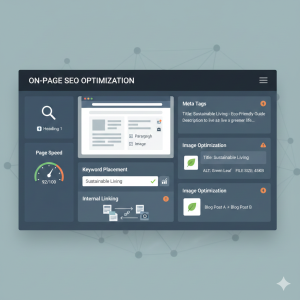
The Key Components of On-Page SEO
Keyword Optimization
The process involves using relevant keywords which are used naturally in all website parts including titles and headings and content and URLs and meta descriptions.
Quality Content
The creation of content requires producing original informative content which provides users with answers to their search inquiries.
Title Tags & Meta Descriptions
The optimization of titles and descriptions results in higher click-through rates from users who view search engine results.
Header Tags (H1, H2, H3)
The use of appropriate heading structures enables readers to comprehend written material while helping search engines understand content.
Internal Linking
The internal linking process establishes connections between various website pages which enables search engines to navigate through the entire site.
Image Optimization
The usage of compressed images with proper alt tags helps to enhance website performance and accessibility for all users.
Website Speed & Mobile Friendliness
Websites that load quickly while being optimized for mobile devices achieve higher rankings on Google search results.
👉 Goal of On-Page SEO:
The goal of On-Page SEO is to assist search engines in comprehending your content while enhancing user experience.
What Is Off-Page SEO?
Off-Page SEO includes all activities performed outside your website to improve its authority, trust, and ranking. The main purpose of this process is to establish your website’s credibility throughout online platforms.
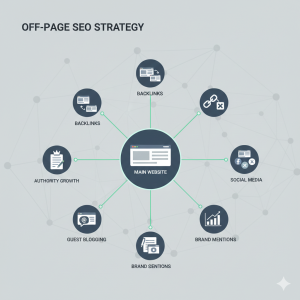
The Key Components of Off-Page SEO
Backlink Building
The process involves obtaining high-quality links from reputable websites to boost the domain authority of a website.
Social Media Marketing
The method involves sharing content through social media channels to enhance its reach and user interaction.
Guest Blogging
The process of guest blogging involves writing articles for different websites which help you gain backlinks and increase your brand recognition.
Business Listings & Citations
The process requires businesses to create profiles on Google Business Profile and directory listings and local business directories.
Influencer Outreach
The process involves working with influencers to establish credibility which leads to increased website traffic.
Brand Mentions
When other websites mention your brand name without linking to your site it helps your brand to establish trust with potential customers.
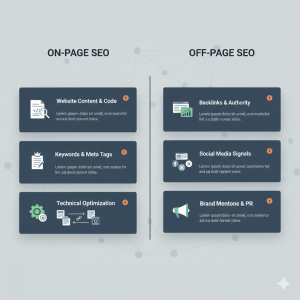
👉 Goal of Off-Page SEO:
The process aims to improve your website’s authority and credibility according to search engines.
The Main Differences between On-Page SEO and Off-Page SEO
Aspect On-Page SEO Off-Page SEO
Focus Area Inside the website Outside the website
Control The website content can be controlled entirely Partial control over website content exists
Main Purpose The process aims to enhance content through structural modifications Authority and trust development functions as the main goal
Examples Website content which includes keywords and meta tags and other elements Backlinks and social signals function as evidence of authority
Time to See Results Results appear sooner Results require a longer period to emerge
Importance SEO foundations rest on this element Ranking power receives an enhancement through this process
Which Is More Important: On-Page or Off-Page SEO?
The truth is that both components hold equal significance.
On-Page SEO lays the foundation by optimizing content and technical elements.
Off-Page SEO establishes credibility and authority which enables your website to surpass other online platforms.
Off-Page strategies require proper On-Page SEO because they need that foundation to show results. The absence of Off-Page SEO leads to difficulties in achieving search rankings even though pages have optimized content.
How a Digital Marketing Agency Can Help
The professional digital marketing agency provides balanced SEO services through their complete range of services which include:
Content optimization through keyword research
Technical SEO enhancements
The process of acquiring backlinks through high-value links
The process of advancing local SEO while building brand equity
The service provides continuous monitoring of SEO performance through ongoing reporting.
Businesses that combine On-Page SEO with Off-Page SEO achieve superior ranking results which lead to increased website traffic and enhanced conversion rates.
Final Thoughts
The differentiation between On-Page SEO and Off-Page SEO proves vital for individuals who want to expand their online presence. On-Page SEO focuses on internal website optimization while Off-Page SEO builds external website authority for brands. The combination of these two elements forms a formidable SEO strategy which ensures success over extended periods.
If you want expert help with SEO, partnering with a trusted digital marketing agency can make all the difference.